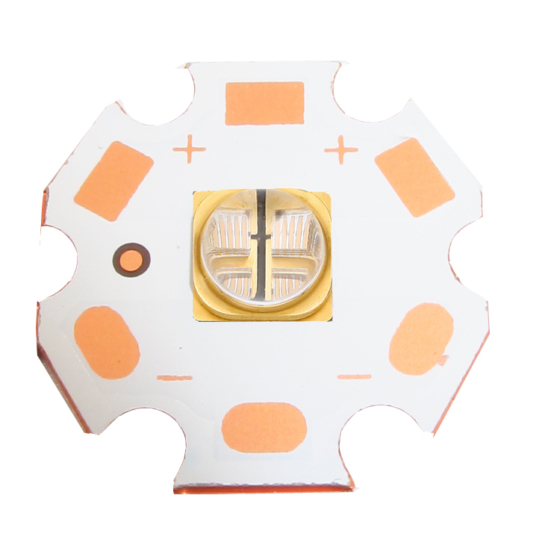
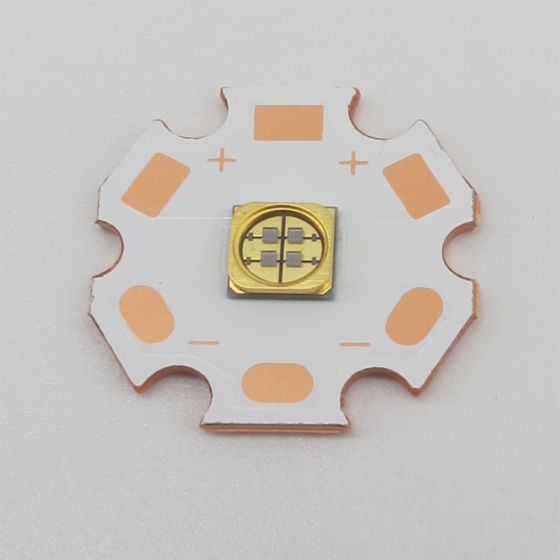
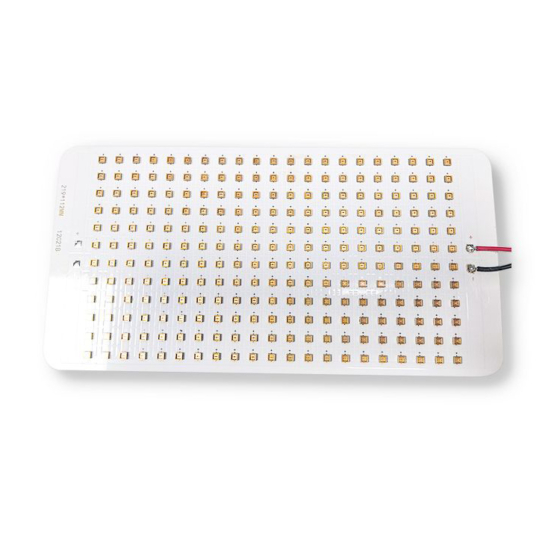
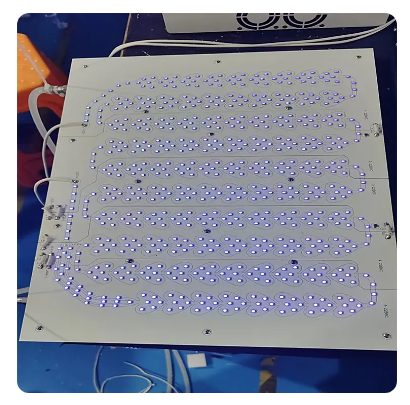
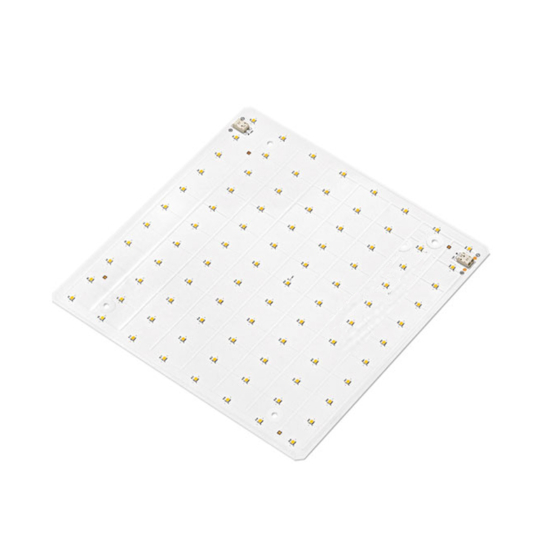
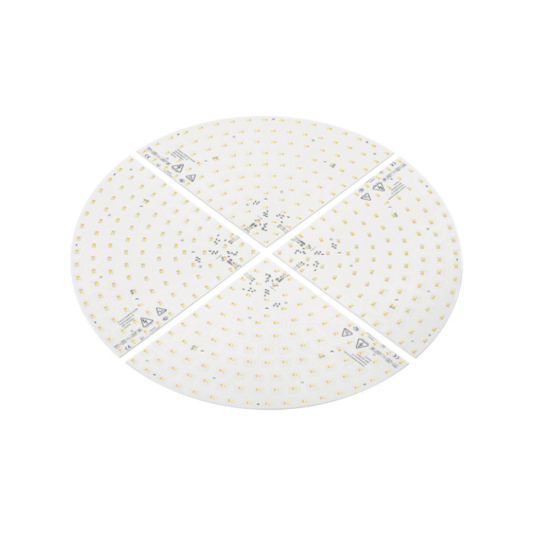
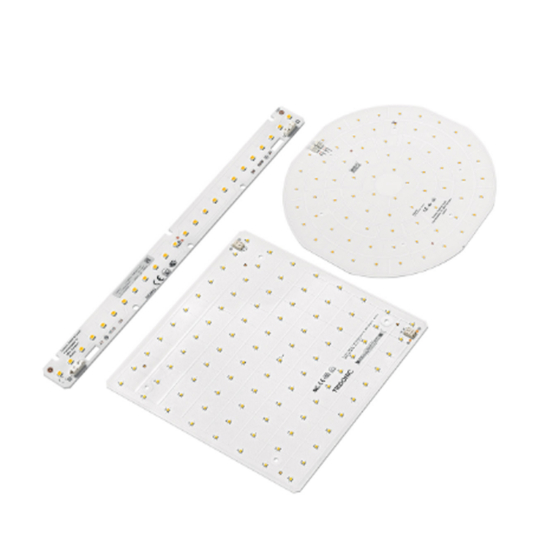
 Modulo di scheda PCBA SIMULATORE SOLAR LED 200-1750NM

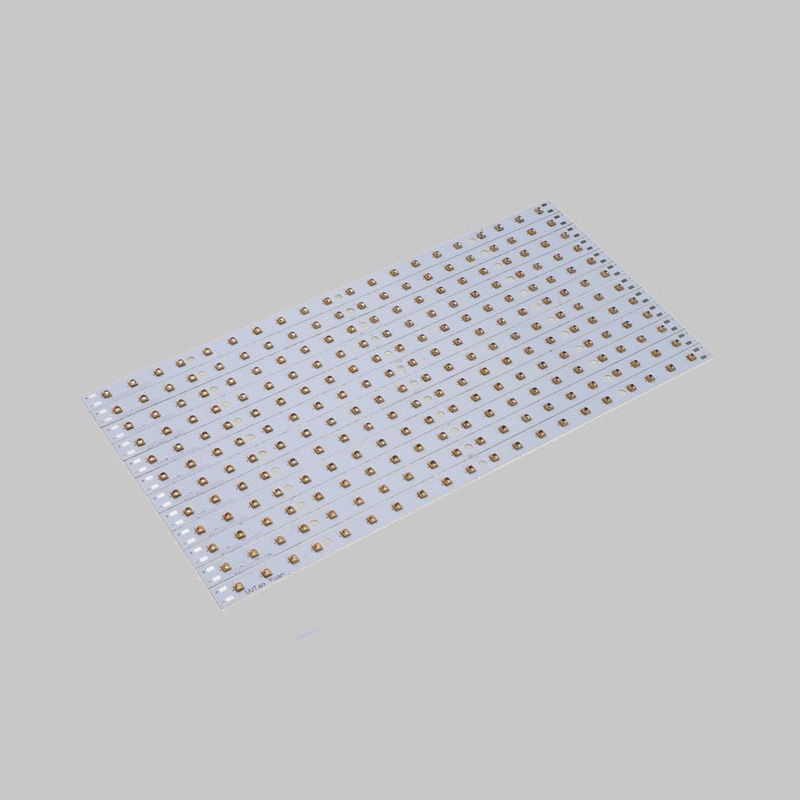
UV-C LED Technology
UVC-based disinfection, often called, Ultraviolet germicidal irradiation (UVGI), is the use of ultraviolet (UV) light to kill or inactivate viral, bacterial, and fungal species. When UV-C light is incident upon the target, the incident photons are absorbed by DNA or RNA, causing inactivation of the DNA or RNA double helix strands through the formation of molecular lesions. When enough of these lesions are created, the replication process is disrupted, and the cell cannot replicate. Absorption by proteins can lead to the breakdown of the organism’s cell walls causing the cell to die. For most commercial applications, replication prevention is sufficient. The UV doses required to prevent replication are much lower than required to kill, making the cost of UV treatment to prevent infection commercially viable
UVC LED Disinfection
UV-C based LEDs are a relatively new technology. Examples of wavelengths currently commercially available include 255nm, 265nm, 275nm, and 222nm. Tuttavia, UV-C LED technology si sta sviluppando rapidamente, e nel tempo verranno sviluppate nuove lunghezze d'onda, i costi si ridurranno e le efficienze aumenteranno come già accaduto in ambito rosso, infrarossi, blu, e gamme LED con lunghezza d'onda UV-A.
A wavelength of 265nm is considered the optimum as it’s the peak of the DNA absorption curve. Tuttavia, disinfection and sterilization occur over a range of wavelengths. UV-C LEDs can be manufactured to target very specific and narrow wavelengths. This allows solutions to be tailored to the particular application need.
LED UVC rispetto a. Tecnologie tradizionali
Many applications use Mercury based UV lamps for UV disinfection applications but this technology has a number of disadvantages versus LED technology. Vi è una maggiore regolamentazione sull'uso del mercurio e sul suo impatto ambientale che comporta un aumento dei costi di smaltimento e proposte di divieti in alcuni paesi. Questi sistemi richiedono anche l’uso di cloro per consentire la disinfezione e sono in genere molto più grandi dei sistemi basati su LED.
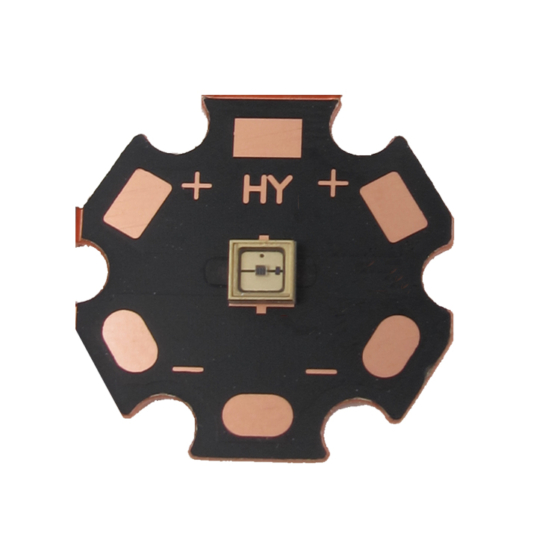
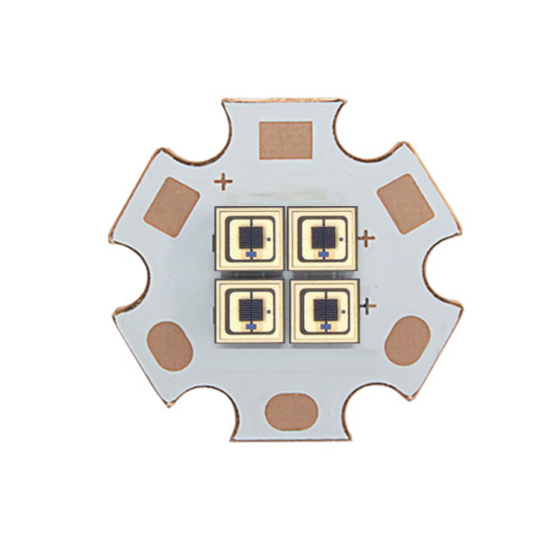
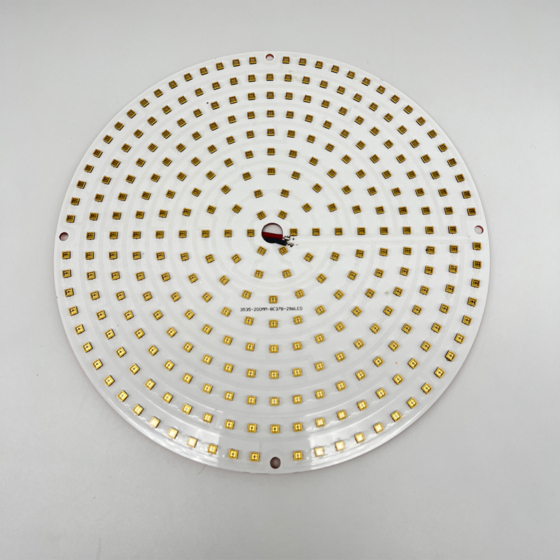
UVC LED Modules Application:
| Product model |
Voltaggio (V) |
Peak Wavelengthl (nm) |
Potenza ottica (mW) |
RdiantIntensity uw/cm²(1cm) |
Current (mA) |
Metà dello spettro (nm) |
Angolo |
| HYE35P20F250AG-P1 | 5.5-6.0 | 250-260 | 25-30 | 2718 | 150 | 11 | 120 |
| HYE35P20D250AG-P1 | 5.5-6.0 | 250-260 | 30-35 | 2278 | 150 | 11 | 120 |
| HYE35P20F260AG-P1 | 5.0-5.5 | 260-270 | 30-35 | 3244 | 150 | 11 | 120 |
| HYE35P20F270AG-P1 | 5.0-5.5 | 270-280 | 30-35 | 4560 | 150 | 11 | 120 |
| HYE35P22D270AG-P1 | 5.0-5.5 | 270-280 | 80-90 | 6144 | 250 | 11 | 120 |
| HYE35P30F250AG-P1 | 5.5-6.0 | 250-260 | 50-60 | 5571 | 350 | 11 | 120 |
| HYE35P30F260AG-P1 | 5.0-5.5 | 260-270 | 50-60 | 5546 | 350 | 11 | 120 |
| HYE35P30F270AG-P1 | 5.0-5.5 | 270-280 | 50-60 | 5571 | 350 | 11 | 120 |
| HYF38P20F250AG-D1 | 5.5-6.0 | 250-260 | 25-30 | 9177 | 150 | 11 | 120 |
| HYF38P20D250AG-D1 | 5.5-6.0 | 250-260 | 30-35 | 8727 | 150 | 11 | 120 |
| HYF38P20F260AG-D1 | 5.0-5.5 | 260-270 | 30-35 | 10301 | 150 | 11 | 120 |
| HYF38P20F270AG-D1 | 5.0-5.5 | 270-280 | 30-35 | 11814 | 150 | 11 | 120 |
| HYF38P22F270AG-D1 | 5.0-5.5 | 270-280 | 80-90 | 23550 | 250 | 11 | 120 |
| HYF38P30F250AG-D1 | 5.5-6.0 | 250-260 | 50-60 | 26744 | 350 | 11 | 120 |
| HYF38P30F260AG-D1 | 5.0-5.5 | 260-270 | 50-60 | 28038 | 350 | 11 | 120 |
| HYF38P20F250AG-S1 | 5.5-6.0 | 250-260 | 25-30 | 10515 | 150 | 11 | 30 |
| HYF38P20D250AG-S1 | 5.5-6.0 | 250-260 | 30-35 | 15972 | 150 | 11 | 30 |
| HYF38P20F260AG-S1 | 5.0-5.5 | 260-270 | 30-35 | 11874 | 150 | 11 | 30 |
| HYF38P20F270AG-S1 | 5.0-5.5 | 270-280 | 30-35 | 21872 | 150 | 11 | 30 |
| HYF38P22D270AG-S1 | 5.0-5.5 | 270-280 | 80-90 | 43160 | 250 | 11 | 30 |
| HYF38P30F250AG-S1 | 5.5-6.0 | 250-260 | 50-60 | 35123 | 350 | 11 | 30 |
| HYF38P30F260AG-S1 | 5.0-5.5 | 260-270 | 50-60 | 35007 | 350 | 11 | 30 |
| HYF38P30F270AG-S1 | 5.0-5.5 | 270-280 | 50-60 | 35407 | 350 | 11 | 30 |
Suggerimento di calore: The company is willing to personalize your customized products.
The greater the irradiation dose, the higher the disinfection efficiency.
The higher the UVB light power, the shorter the time required to kill bacteria and viruses, and vice versa, the lower the light power,The longer it takes to sterilize.