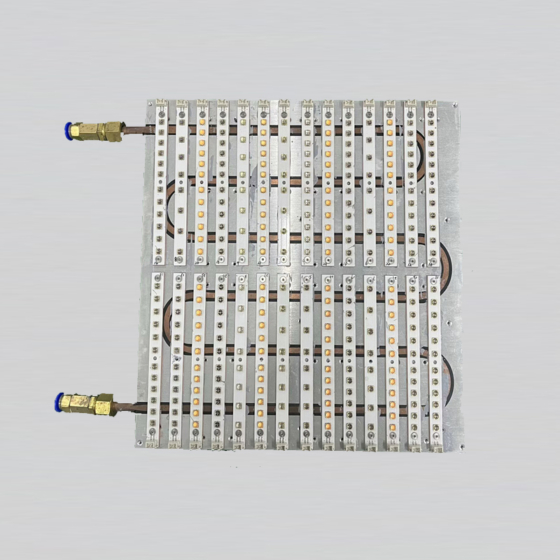
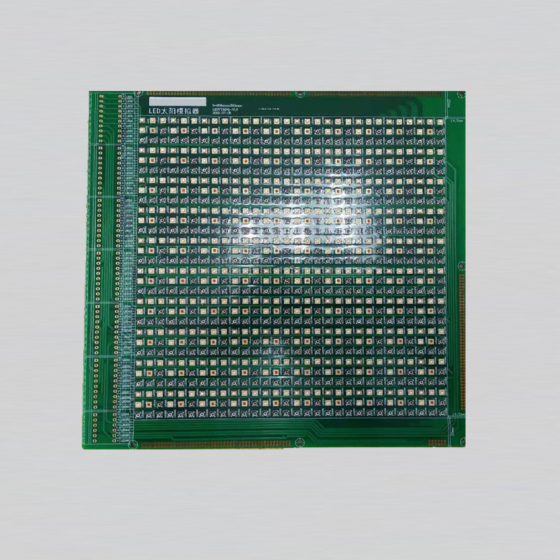
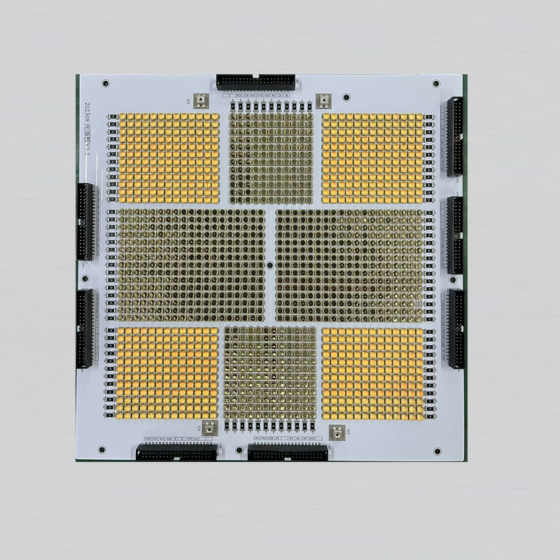
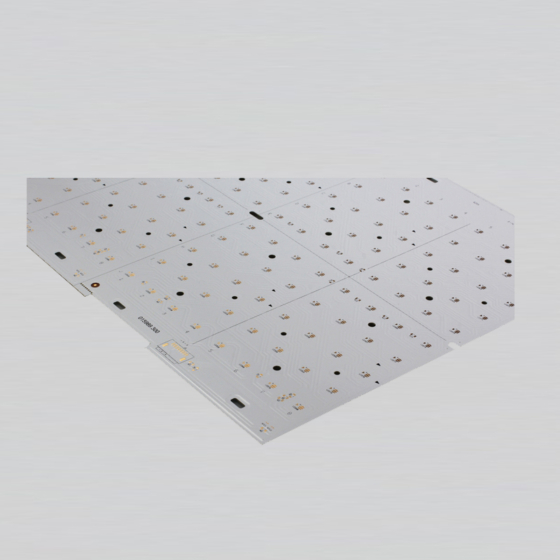
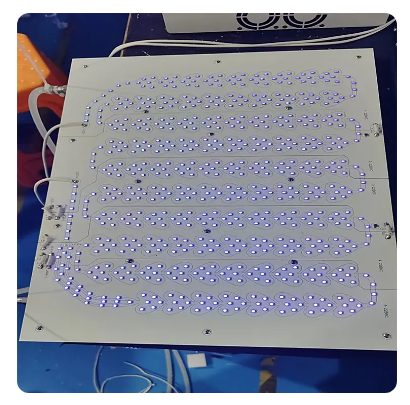
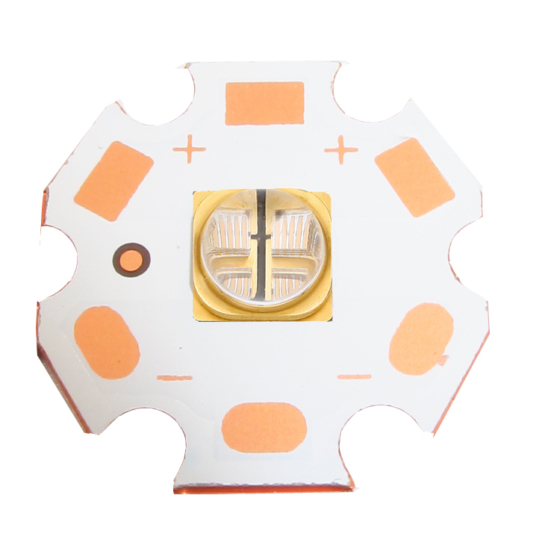
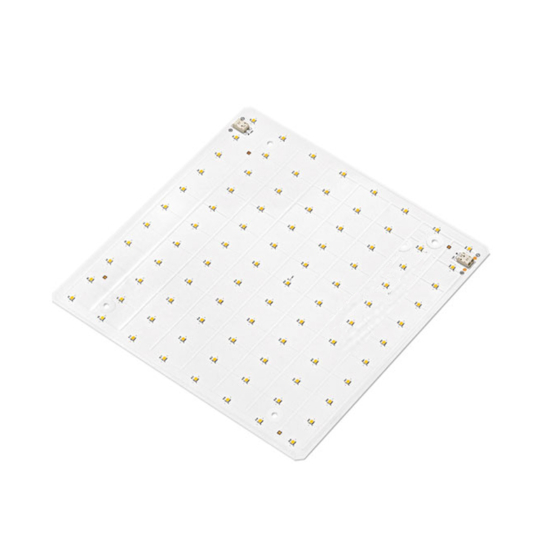
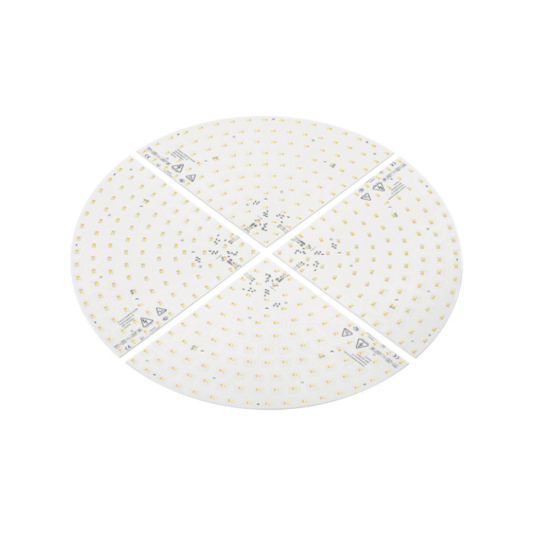
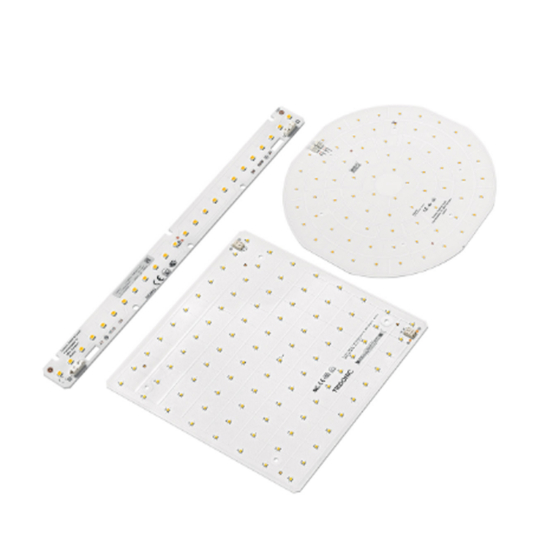
Warum Sie sich für einen LED-Solarsimulator entscheiden sollten, ist eine LED-PCBA-Platine ?
FAQs
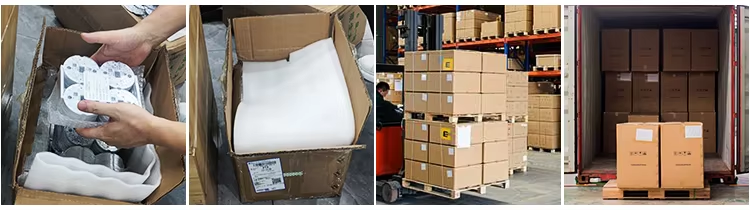
Verpackung und Lieferung
Heyi Optical Control Spezialist für Multispektrale LED-PCBA-Platine Lösungen, Ziel ist es, Ihnen Ihr leuchtendes Projekt zu verwirklichen und zu dienen, mit oder ohne Nachrüstung von LED Ihres Beleuchtungssystems und Ihres leuchtenden Motors. Wir gehen von Design zur Industrialisierung ein, kleine und mittlere Serie, auf einem benutzerdefinierten Spektralbereich, Dimmbar und einstellbar für jede Wellenlänge (l), aus 230 bis 1750 nm gemäß der Entwicklung und Innovation von LED -Komponenten.
Kleiner Lichtpunkt-Solarsimulator der Klasse AAA
The 300-1200nm LED PCBA board is a small illumination area type solar simulator with class AAA performance. It is designed for advanced solar cell research utilizing small light spot measurement, such as perovskite solar cells.
Merkmale
Class A irradiance spectral match
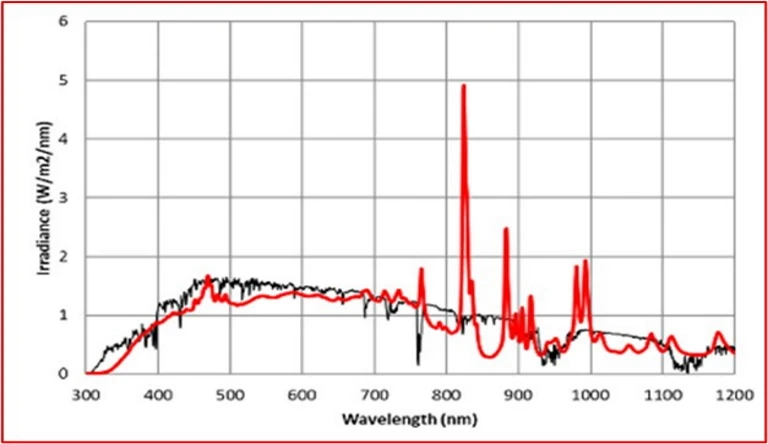
TheLED PCBA boardirradiance spectrum match is a key factor in solar simulators. To better evaluate the spectrum performance of a solar simulator, the IEC 60904-9 (2007) standard divided the solar spectrum into different segments with 100nm or 200nm bandwidth from 400nm to 1100 nm. Jedoch, with the development of high-efficiency solar cell technologies, the irradiance spectral match of the solar simulator is becoming increasingly necessary.
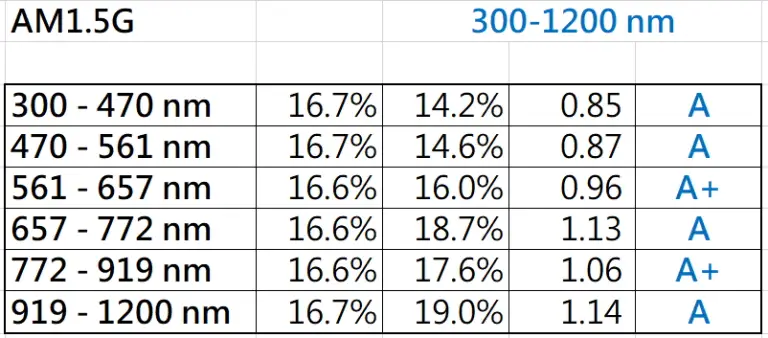
In 2020, IEC released the latest solar simulator evaluation standard, IEC 60904-9:2020, which evaluates the irradiance spectrum of the solar simulator with a broader wavelength range (300nm to 1200nm) and narrower band segments. For details on the evaluation method, please see our “Solar Simulator- Basic Knowledge and Working Principles” and the section “What is AAA solar simulator”. The Class A spectral match requires the deviation of each wavelength band to be within 0.75 Zu 1.25 for both the old and latest IEC 60904-9 standards. The spectral match evaluations of LED PCBA board by the old IEC 60904-9:2007 (Old, easier) or the latest IEC 60904-9:2020 (Latest, more difficult) both reach Class A from 300 nm zu 1200 nm. This is due to Enlitech’s advanced AM 1.5G filter technology, which makes the irradiance spectrum and sustainability of the LED PCBA board solar simulator much better than other brand solar simulators at the same level.
‘
The wavelength range is from 300 nm zu 1200 nm and is divided into 6 bands. It covers a much more extensive wavelength range, making it more challenging to achieve good classification. Even so, the still has outstanding spectral match performance, which is much better than the class A level. This proves that the critical spectral performance of the solar simulator is extraordinarily great, not constrained by its compact size design.
Class A spatial irradiance uniformity
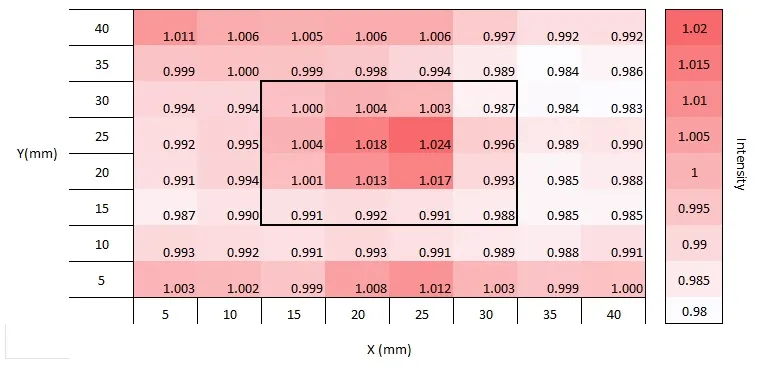
The spatial irradiance uniformity is the second index for solar simulator classification. It is the most difficult of all the parameters. The spatial irradiance uniformity hot spot can greatly affect the power conversion efficiency testing result and misclassify the binning of the solar cells. LED PCBA board uses Enlitech’s advanced homogenizer technology, which can convert the irregular light beam spot into a uniform spatial beam illumination area and reduce the irradiance hot spot distributions. The spatial irradiance uniformity of the LED PCBA board solar simulator can achieve IEC, ASTM, and JIS standards’ class A level, which is ≦ 2% within 400 mm2. For more details, please see our technical article: “Solar Simulator- Basic Knowledge and Working Principles” and the section “What is AAA solar simulator”. The illumination area size of the solar simulator is quite suitable for many novel solar cell research projects, most of which begin from a small active area such as 2mm x 2 mm.
Class A spatial Uniformity of LED PCBA board solar simulator.
Class A irradiance temporal stability
The third important parameter is the temporal stability of irradiance over time. The temporal stability of the solar simulator’s output illumination directly affects the current-voltage (IV) tracing curve of the solar cell under test. Unstable light illumination on the device under test can impact the accuracy of the solar cell’s conversion efficiency value.
The 300-1200nmLED PCBA boardsolar simulator adopts a high-stability Xe lamp power supply system, which can maintain high temporal stability of the Xe lamp’s irradiance output without the need for an optical feedback control system.
Max irradiance intensity ≥ 1400 W/m2 (1.0 Sonne)
With a highly efficient optical design and components, the maximum output AM1.5G irradiance of the solar simulator can be over 1400 W/m² (> 1.0 Sonne). This is much higher than other compact size solar simulators, which are usually smaller than 1.2 Sonne (1200 W/m²).
According to IEC and ASTM standards, the characterization testing of PV and solar cells should be conducted under STC (Standard Testing Conditions). The STC conditions are an AM1.5G spectrum, 1000 W/m² (1Sonne), Und 25 degrees C.
In general, the lamp of the solar simulator needs to be replaced when the output irradiance intensity of the solar simulator is less than one sun (1000 W/m²). This makes the characterization experiment of the solar cell unable to proceed under STC conditions. At this moment, the lamp is still emitting photons and irradiance, but it cannot reach 1000 W/m². The higher maximum output irradiance allows the LED PCBA board solar simulator to have a longer operating time period. This makes theLED PCBA boardmore cost-effective than other compact size solar simulators.
LED-Verpackung & Montage
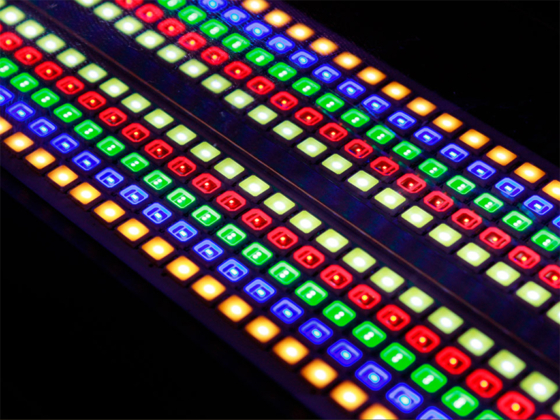
LED-Module Chip on Board (COB) Lösungen bieten Ihnen mehr Leistung in einem flexiblen Design. Mit Chips, die in engen Konfigurationen direkt auf einer MCPCB gebondet sind, um die Effizienz zu erhöhen, LED-Module haben den niedrigsten Wärmewiderstand und damit die beste Zuverlässigkeit auf dem Markt. Heyis-Lichtleisten und -Arrays eignen sich sowohl für die Nachrüstung als auch für neue Designs.
Heyis monochromatische oder multispektrale LED-Beleuchtungslösungen mit hoher Beleuchtungsstärke
Wir sind stolz darauf, Innovationen in der Optik in unser Produktsortiment zu integrieren, ist auf LED-Lösungen mit ultrahoher Helligkeit und innovative Spektralmodule spezialisiert. Zu ihren Produkten gehören multispektrale LED-Quellen mit einstellbarem Spektrum, Module mit hoher Bestrahlungsstärke (W/m²), an die Märkte angepasste Sonnensimulatoren und Lichtmotoren:
Diese multispektralen Lösungen bieten optische Gleichmäßigkeit, Effizienz und thermische Zuverlässigkeit für Ihre anspruchsvollsten Anwendungen. Entdecken Sie Innovation In Optics-Produkte mit hohem Mehrwert im Dienste Ihrer innovativen Projekte
LED-Sonnensimulatoren bieten gegenüber Bogenlampen-Sonnensimulatoren mehrere Vorteile. Sie sind mit hocheffizienten LED-Leuchten kostengünstig im Betrieb und erfordern keinerlei Wartung. Bogenlampen, im Vergleich, Eine beträchtliche Menge an Energie wird als Wärme verschwendet und mindestens benötigt 30 Minuten zum Aufwärmen. Die HEYI LED-Solarsimulatorlampe ist bereits wenige Minuten nach dem Einschalten betriebsbereit.
Spektrale Bestrahlungsstärke
Diagramm der spektralen Bestrahlungsstärke, gemessen bei 1000 W/m2 (1 Sonne)Diagramm der spektralen Bestrahlungsstärke, gemessen bei 0.7 Sonnen
Die programmierte spektrale Bestrahlungsstärke des LED-Sonnensimulator ist bei 1 Sonne (links). Automatisch, Die Lampe strahlt eine integrierte Gesamtleistung von ab 100 mW/cm2 (1 Sonne) über den Wellenlängenbereich 300 nm – 1100 nm. Unser LED-Solarsimulator erreicht in jedem Wellenlängenbereich für kleinflächige Geräte die Einstufung Klasse A.
Mit dem HEYI LED-Solarsimulator können Sie außerdem das Leistungsspektrum Ihrer Lampe nach Ihren Wünschen anpassen. Die Grafik rechts zeigt eine spektrale Verteilung bei 0.7 Sonnen. Dies entspricht der Spektralform von AM 1,5G, Berücksichtigung des oben genannten Teils 1000 nm.
Spektrale Übereinstimmung
Mit der HEYI-Spektralvergleichsklassifizierung wurde gemessen, wie gut ein Sonnensimulator das Sonnenspektrum im Hinblick auf die Wellenlängenverteilung nachbildet. Bei 1 Sonneneinstrahlung bei 8.5 cm, Die Ossila LED-Solarsimulatorlampe erreicht in allen Wellenlängenkategorien eine Leistung der Klasse A. Bei dieser Einstrahlung, Die Ossila LED-Solarsimulatorlampe erreicht eine Klassifizierung der Klasse A für die spektrale Bestrahlungsstärke.
Diagramm zur Klassifizierung der spektralen Bestrahlungsstärke
Räumliche Einheitlichkeit
Ziel von Sonnensimulatoren ist es, das Licht gleichmäßig über eine Probe zu verteilen, Sonnenlicht nachbilden. Die räumliche Gleichmäßigkeitsbewertung gibt ein Maß dafür, wie gleichmäßig die Verteilung eines Sonnensimulators ist.
Im Arbeitsabstand von 8.5 cm und Ausgangsleistung von 1 Sonne, Die HEYI-LED Die Solarsimulatorlampe erreicht eine Bewertung der räumlichen Ungleichmäßigkeit der Klasse A über a 15 mm Durchmesser, Damit eignet es sich ideal zum Testen von Geräten mit kleiner Fläche. Es erreicht außerdem die Einstufung Klasse B über 25 mm Durchmesser, und eine Einstufung der Klasse C bei 32 mm Durchmesser, So können Sie auch größere Zellen mit der HEYI LED-Solarsimulatorlampe mit ABA- oder ACA-Klassifizierung testen.
Räumliche Einheitlichkeit
Zeitliche Instabilität
Die Klassifizierung der zeitlichen Instabilität misst die Ausgabekonsistenz eines Sonnensimulators.
Das Diagramm der zeitlichen Instabilität beweist, dass die Lichtleistung des Sonnensimulators über einen langen Zeitraum stabil ist, Damit wird die Klassifizierung der zeitlichen Instabilität der Klasse A erreicht. Dies bedeutet, dass Sie damit Langzeitexperimente durchführen können HEYI-LED Solarsimulatorlampe, ohne sich Gedanken über spektrale Schwankungen machen zu müssen. Dazu gehören Messungen wie die Messung der Lebensdauer von Solarzellen oder Experimente zur Messung von Lichtdegradationseffekten.
Zeitliche Stabilität
Montageinformationen
Die Solarsimulatorlampe wird mit einer permanenten Montagehalterung an der Rückseite geliefert. Damit kann die Lampe an einem kundenspezifischen Portal befestigt werden. Die Abmessungen und Abstände der Befestigungslöcher sind unten aufgeführt. Alle Löcher sind ohne Gewinde.
Sonnensimulator Montagehalterung (links) und MontagelochpositionenReduzieren Sie die Herstellungskosten
Reduzieren Sie die Herstellungskosten Ihrer Solarzellen durch bessere Testmöglichkeiten
Kleine Fläche, Kostengünstige Sonnensimulation
Großflächige Prüfungen jeder Größe, Egal wie groß
Vollautomatische Systeme, die von Ihrem Fertigungskontrollsystem für die Massenproduktion gesteuert werden
Bewährt, Automatisiert 24/7 Testfähigkeit
Geringe Wartungskosten durch lange Lebensdauer, >10,000 Stundenlichtquellen
Vollständige elektrische Charakterisierung von Solarzellen und Panels – einschließlich IV-Kurven, Isc, Gesang, Kobold, Vmp, FF
Überlegene Stabilität und Wiederholbarkeit für alle Verbindungen
CustZusätzlich zu Standardpaketen und Modulen, Heyis bietet Leiterplatten, ThermalmanagementlösungenTestdienste, Designoptimierung, und vollständige Systemintegrationen.Die LED-Antriebstechnologie ermöglicht eine kontinuierliche Stromsteuerung von LEDs, <0.1% Lichtstabilität zu geringen Kosten
Der programmierbare LED-Solarsimulator von Heyis (LED-Module) Fragebogen zum vorläufigen Budgetangebot
Q: Wann werden Sie die Produktion arrangieren??
A: In der Regel veranlassen wir die Produktion sofort nach Eingang Ihrer Zahlung, sofern wir den Artikel auf Lager haben. Ansonsten, Bitte vereinbaren Sie mit uns die Vorlaufzeit.
Q: Welche Zahlungsart wird von Ihnen akzeptiert?? A: Banküberweisung, Paypal und Western Union, und Alibaba Trade Assurance. Wir akzeptieren nur Paypal und Western Union, und Alibaba Trade Assurance für Zahlungsbeträge unter 400 USD.
Q: Mit welchem Logistikspediteur arbeiten Sie normalerweise zusammen?? A: Wir arbeiten mit EMS, TNT, UPS, FEDEX und andere Logistikspediteure. Für den Versand steht Ihnen ein eigener Spediteur zur Verfügung.
Q:Gibt es eine Mindestbestellmenge? (Mindestbestellmenge) Anforderung für die Bestellung der Leiterplattenbestückung?
A: Allgemein, Es gibt keine Mindestbestellmenge (Mindestbestellmenge) Anforderung für den Leiterplattenbestückungsauftrag.
LED-Module:
1. Für welche Solarzellentechnologien interessieren Sie sich?? Wie viele Kreuzungen?
2. Brauchen Sie kontinuierlich / gepulster Betrieb oder nur gepulst?
3. Was ist die Länge und Breite? (oder Durchmesser) der beleuchteten Fläche?
4. Welche Spektren sind für Sie von Interesse?? AM0? AM1.5?
5. Welche Leistungsstufen sind für Sie von Interesse?? AM0? AM1.5? Niedrige Intensität?
6. Welche Leistungskennzahlen sind für Sie von Interesse?? AIAA? Klasse A+AA? Klasse AAA? Klasse BBB?
7. Bitte senden Sie uns eine E-Mail an hehualan@chyingfeng.com um Ihre 18-monatige Garantie in Anspruch zu nehmen. Anfrage an Eigentümer gesendet.
8.Was ist der Bedarfstermin für die Lieferung Ihres Systems?? Für Ihren Test?
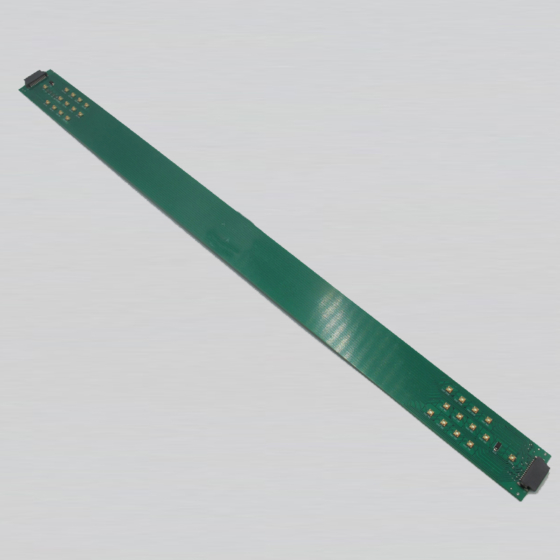
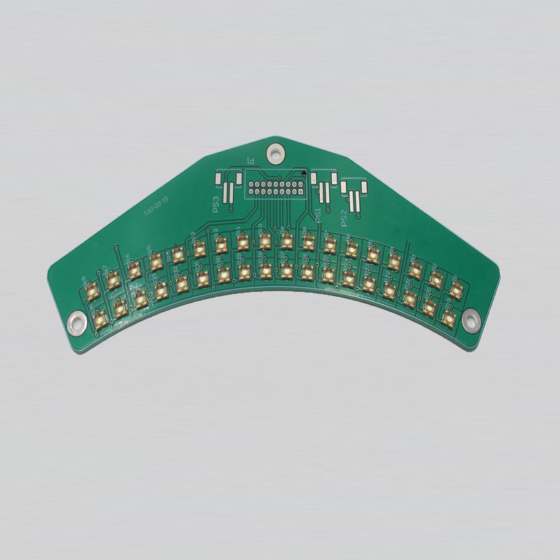
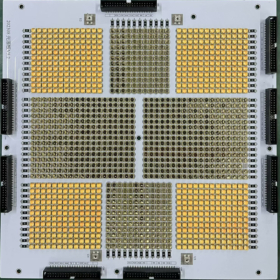
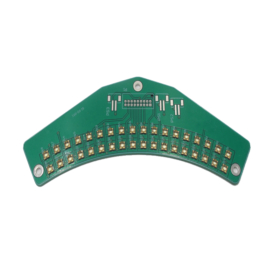
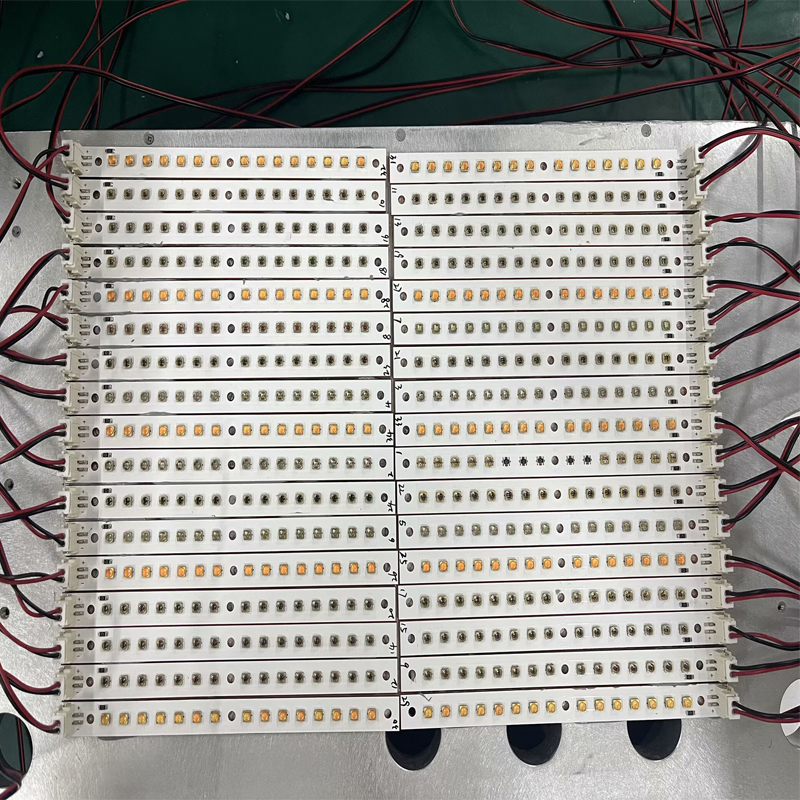
 LED Solar Simulator PCBA-Boardmodul 200-1750nm

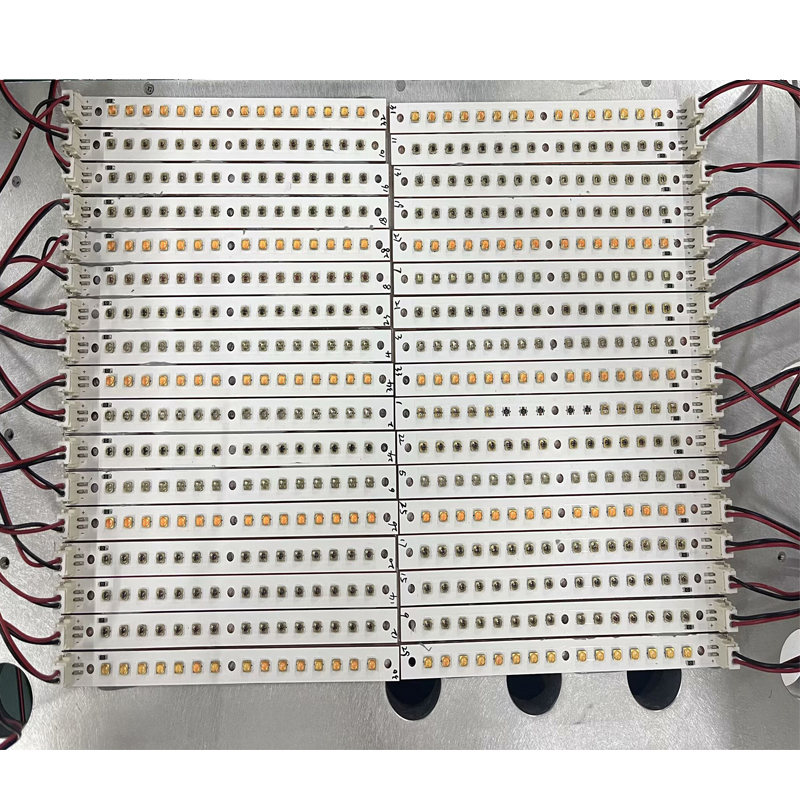
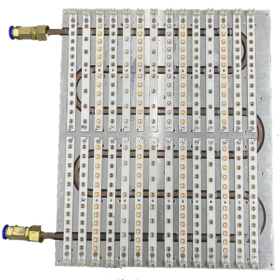
 ‘
‘
 Class A spatial Uniformity of LED PCBA board solar simulator.